
Posted on Monday, June 15th, 2026 at 3:41 pm
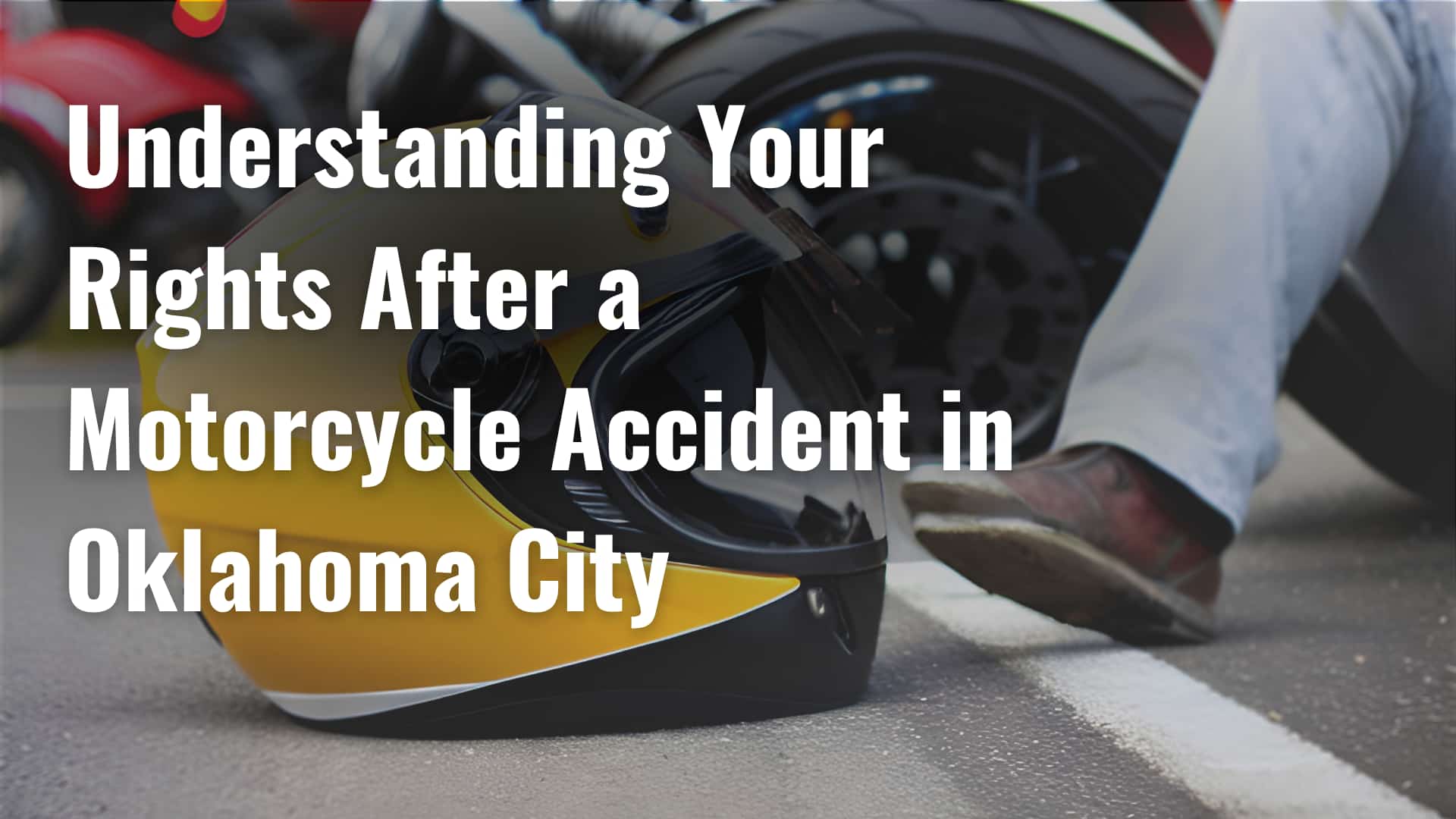
Motorcycle accidents in Oklahoma City can change your life in an instant. The injuries riders sustain often prove more severe than those from many car accidents because motorcycles offer less integrated protection than cars, with most safety features depending on rider gear rather than vehicle structure. While some modern motorcycles include airbag systems, most riders rely on wearable protective equipment like helmets, armor, and optional airbag vests.
If you have been injured in a motorcycle accident in OKC, understanding your rights can help you make informed decisions about your recovery and potential compensation. This guide explains what you need to know about motorcycle accidents in Oklahoma City, your legal options, and how to protect yourself during the claims process.
Why Choose Abel Law Firm for Your Motorcycle Accident Claim
Abel Law Firm has represented Oklahoma City residents for decades and reports having recovered more than $550 million for injured clients. Our Oklahoma City personal injury attorneys are familiar with the challenges motorcycle accident victims often face and work to build claims that present the available evidence clearly to insurers and, when necessary, to courts.
The team includes lawyers who have been recognized by organizations such as Super Lawyers and Best Lawyers in America and who bring many years of experience to injury matters. Cases are handled on a contingency fee basis, meaning clients typically do not pay attorney fees upfront, and fees are collected if compensation is recovered. The firm offers free consultations and makes attorneys available to answer questions about motorcycle accident claims.
What Constitutes a Motorcycle Accident Claim in Oklahoma
A motorcycle accident claim generally arises when someone alleges that another party’s negligence caused their injuries. Oklahoma law allows injured riders to pursue compensation from an at‑fault party or that party’s insurance company.
Types of motorcycle accidents include single‑vehicle crashes where road hazards or defective equipment may cause a rider to lose control, collisions with other vehicles, and accidents attributed to another driver’s failure to notice or yield to a motorcycle. Common causes of motorcycle accidents in Oklahoma City can include distracted driving, speeding, failure to yield at intersections, unsafe lane changes, and roadway debris.
Negligence forms the foundation of many motorcycle accident claims. A person may be found negligent when they fail to exercise the level of care that a reasonably prudent person would use in similar circumstances. To succeed on a negligence claim, an injured rider typically must show that the other party owed a duty of care, breached that duty, caused the injuries, and that the rider suffered actual damages.
Understanding Negligence and Liability
Evaluating negligence requires examining how a reasonable person would have acted in the same situation. Courts may consider factors such as weather conditions, traffic, visibility, and the defendant’s actions or inactions.
Oklahoma follows a comparative fault rule. This means you may recover compensation even if you share some responsibility for the accident. Under Oklahoma’s modified comparative fault law, your recovery is generally reduced by your percentage of fault, and recovery may be barred if you are found to be more than 50 percent at fault.
Liability directly affects the amount of compensation you may receive. When another party bears most or all of the responsibility, you may seek a larger share of your damages from that party. When fault is shared, any recovery is reduced proportionally. An attorney can help evaluate liability by gathering evidence, interviewing witnesses, and, when appropriate, working with accident reconstruction professionals.
Types of Damages You Can Recover
Motorcycle accident victims may pursue two primary categories of damages: economic and non‑economic.
Economic damages compensate for financial losses already incurred or reasonably expected in the future. These can include medical expenses associated with emergency care, surgery, hospitalization, rehabilitation, and ongoing treatment. Lost wages address income missed while you are unable to work during recovery. Property damage may cover motorcycle repair or replacement costs. Future medical care and loss of earning capacity may be considered when injuries result in long‑term limitations.
Non‑economic damages address pain, suffering, and emotional distress. These damages recognize that injuries can affect your quality of life, limit activities, and cause psychological effects. When assessing non‑economic damages, courts and insurers may consider factors such as the severity and duration of your injuries, your age, and how your daily functioning has changed.
Cases involving severe or long‑term impairments can lead to higher overall damage calculations. Spinal cord injuries, traumatic brain injuries, amputations, and serious burns may require extensive medical care, ongoing support, and adjustments to daily living.
Steps to Take After a Motorcycle Accident
Your actions immediately following a motorcycle accident can affect your claim. First, ensure your safety and the safety of others. Move to a safe location if you can do so safely, and call 911 if anyone needs medical attention.
Seek medical attention promptly, even if you believe your injuries are minor. Some conditions do not become obvious right away. Medical records provide important documentation of your injuries and help establish a connection between the accident and your health issues.
Report the accident to local law enforcement and obtain a copy of the police report when it becomes available. Document the scene by taking photographs of vehicle damage, road conditions, traffic signals, and street signs. Collect contact information from witnesses who observed the accident.
Preserve evidence by keeping medical records, repair estimates, receipts for accident‑related expenses, and any written or electronic communications with insurance companies. It is prudent to be cautious about posting details of the accident or your injuries on social media, as insurers may review these posts.
Contact an attorney as soon as reasonably possible. A motorcycle accident lawyer can advise you on your rights, communicate with insurers on your behalf, and help you track deadlines.
Insurance and Motorcycle Accident Claims
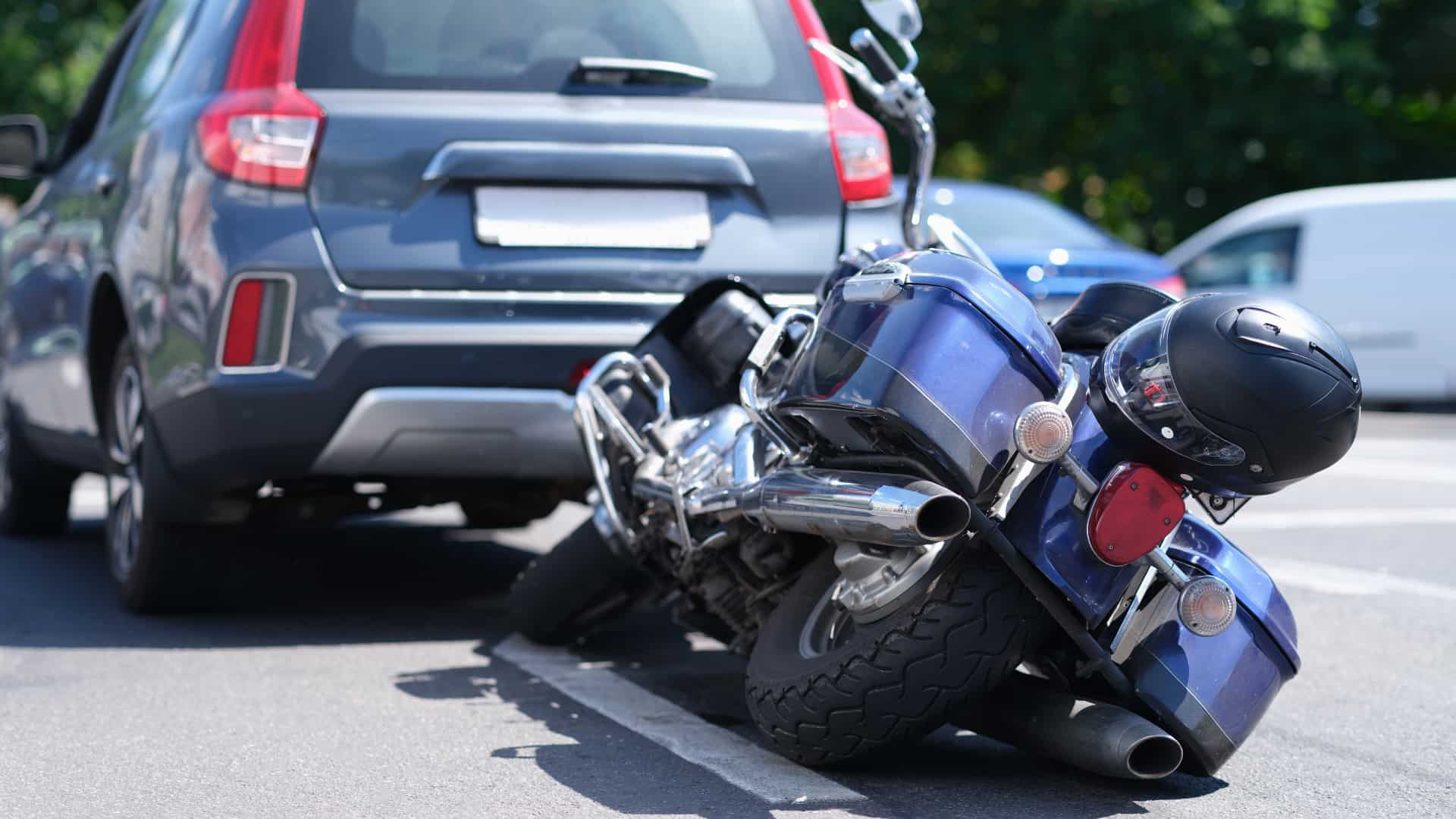
Oklahoma requires motorcycle owners to carry liability insurance with minimum limits of $25,000 for bodily injury per person and $50,000 per accident. This coverage is designed to address injuries and damages you cause to others, not your own injuries.
Insurance claims usually begin when you notify the at‑fault party’s insurance company about the accident. The insurer then assigns an adjuster to investigate the claim. You may be asked to provide statements, medical records, and other documentation. The adjuster may make an initial settlement offer that does not fully reflect the value of your losses.
Bad faith insurance practices can occur when insurers unreasonably deny claims, delay payments, or do not investigate properly. In some situations, if an insurance company acts in bad faith, additional legal remedies may be available.
If your claim is denied, you can request a detailed explanation from the insurance company. An attorney can evaluate the reasons for denial, challenge unsupported conclusions, and, if necessary, file a lawsuit. It is generally wise not to accept a settlement offer without understanding the full scope of your damages and obtaining legal advice.
Frequently Asked Questions About Motorcycle Accidents in Oklahoma City
How long do I have to file a motorcycle accident claim in Oklahoma?
Oklahoma’s statute of limitations generally gives you two years from the date of the accident to file a personal injury lawsuit. Waiting until the deadline approaches can make it harder to gather evidence and locate witnesses. Speaking with an attorney soon after your accident can help you understand applicable deadlines and protect your rights.
What if I were partially at fault for the motorcycle accident?
Oklahoma’s comparative fault law allows you to pursue compensation even if you share some responsibility for the collision, as long as your share of fault is not more than 50 percent. Your damages are reduced by your percentage of fault. For example, if your damages total $100,000 and you are found 20 percent at fault, your recovery may be reduced to $80,000. An attorney can present evidence about the other party’s conduct to help limit the fault attributed to you.
Do I need an attorney for my motorcycle accident claim?
You are not required to hire an attorney, but legal representation can help you understand the value of your claim, navigate communications with insurance companies, and avoid common pitfalls. Insurance adjusters are trained to protect their company’s interests. A lawyer can evaluate offers, gather supporting evidence, and negotiate on your behalf. Many motorcycle accident attorneys work on a contingency fee basis, so you typically do not pay attorney fees upfront.
Contact Abel Law Firm for Your Free Motorcycle Accident Consultation
If a motorcycle accident has injured you or a family member, contact Abel Law Firm in Oklahoma City to review your situation and discuss potential options. The firm’s attorneys handle Oklahoma motorcycle accident cases and are familiar with the laws that apply to riders.
Call (405) 239-7046 today to schedule a free consultation. An Oklahoma City motorcycle accident attorney can review your accident, explain your rights, and outline possible next steps. You generally do not owe attorney fees unless the firm recovers compensation on your behalf. Reaching out promptly can help protect your claim and give you a clearer understanding of your legal options.
Related Posts
- How Comparative Negligence Affects Your Personal Injury Claim
- What Evidence Do I Need to Prove Fault in a Motorcycle Accident?
- How to Dispute Car Accident Fault
“The information on this page is for general informational purposes only and does not constitute legal advice. Reading this content does not create an attorney-client relationship.”