Posted on Sunday, May 10th, 2026 at 3:10 pm
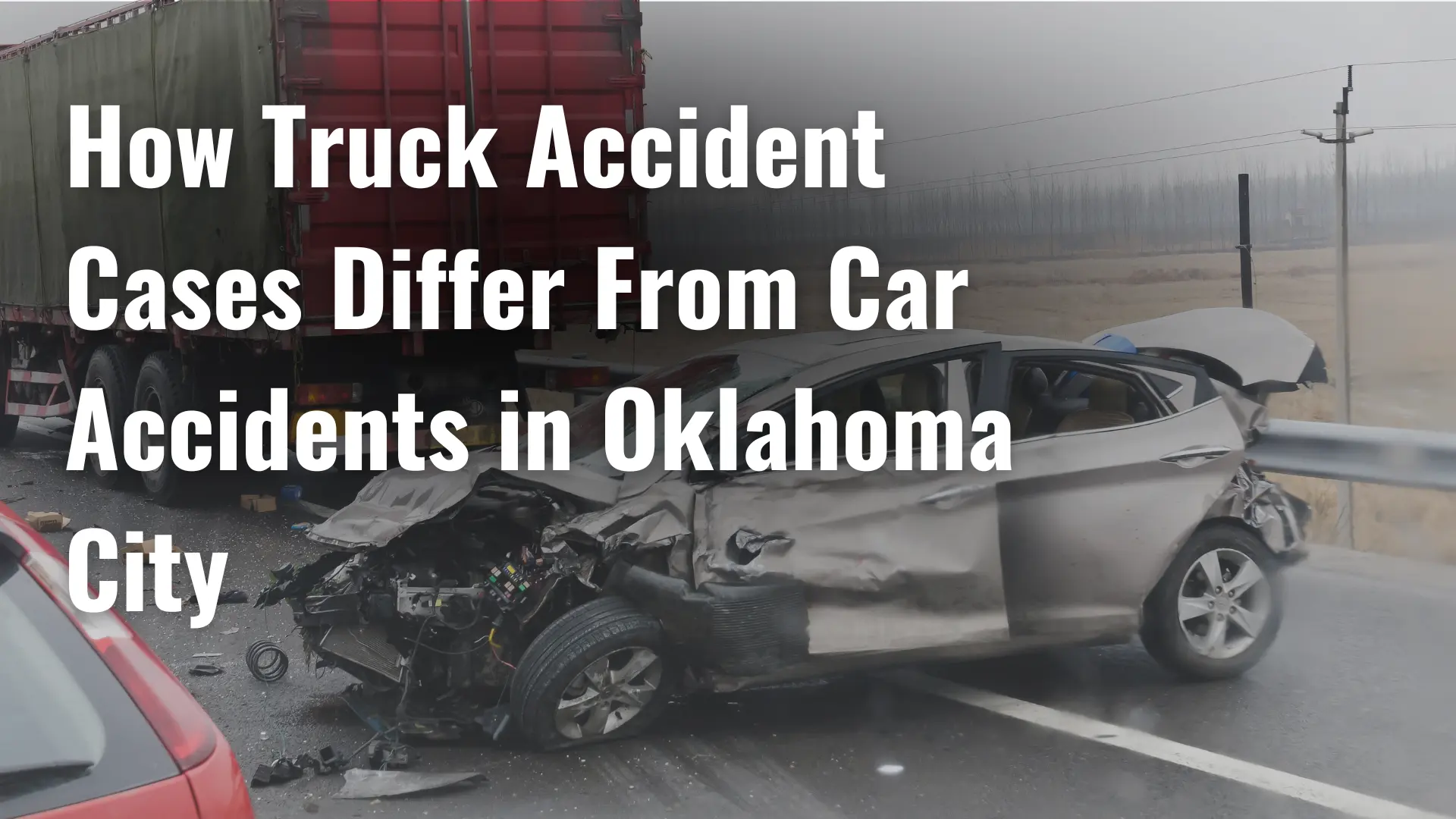
If you’ve been in a truck accident in Oklahoma City, you may wonder how your case differs from a typical car accident. Don’t know much about the difference between a car vs. truck accident in Oklahoma City? The answer can be significant. Truck accident cases often involve different legal, medical, and financial considerations than car accidents, and understanding these differences may help you know what to expect as you pursue your claim.
The Size and Weight Difference That Changes Everything
The most obvious difference between truck and car accidents starts with size and weight. A typical passenger car often weighs between 3,000 and 4,000 pounds, while a fully loaded commercial truck can weigh up to 80,000 pounds, meaning a truck may weigh many times more than a passenger vehicle.
This weight difference affects stopping distance. Trucks usually require much longer distances to stop than cars, so at highway speeds, a large truck needs substantially more roadway to come to a complete stop than a passenger vehicle. When a truck driver cannot stop in time, the results can be devastating.
Weight also affects blind spots. Trucks have large blind spots on all sides, particularly on the right side and directly behind the vehicle. Passenger cars can fit entirely within these blind spots, increasing collision risks if a truck driver cannot see a nearby vehicle, even when checking mirrors.
The sheer weight and momentum of a truck often translate into greater injury severity. When a truck collides with a car, the car’s occupants generally absorb much more of the force, so even lower‑speed impacts can cause serious injuries.
Why Truck Accident Injuries Are Often More Severe
Truck accidents frequently cause more severe injuries than many car accidents. Common injuries in truck crashes include spinal cord injuries, traumatic brain injuries, internal organ damage, and amputations, and many victims may face long‑term disability or lasting medical needs.
Property damage in truck accidents can also exceed what you typically see in car collisions, sometimes involving multiple vehicles, roadway structures, or hazardous cargo. These crashes may lead to substantial repair or replacement costs.
Beyond the immediate trauma, truck accident victims may face ongoing medical consequences. Spinal cord injuries can require long‑term therapy, mobility aids, or home modifications, and traumatic brain injuries can affect memory, concentration, and mood over time. These long‑term needs can increase total medical costs and create financial strain for victims and their families.
Federal Regulations That Don’t Apply to Car Accidents
Commercial trucks operate under federal safety regulations that generally do not apply to ordinary passenger vehicles. These rules can be important when determining fault in a truck accident.
The Federal Motor Carrier Safety Administration (FMCSA) enforces hours‑of‑service rules that limit how long a commercial driver can operate a truck without rest. These rules are meant to reduce fatigue‑related crashes. Evidence that a driver exceeded hours‑of‑service limits may support a liability claim.
Federal rules also cover inspections and maintenance. Trucks must undergo regular inspections, and companies must keep maintenance and repair records. If a crash involves brake failure or other mechanical problems, these records can help show whether the truck was properly maintained.
Weight and loading are regulated as well. Overloaded trucks can be harder to control and more prone to rollovers or jackknifes. Evidence that a truck was overloaded or improperly loaded can be relevant to negligence.
Drug and alcohol testing standards for commercial truck drivers are stricter than for most other drivers. Random testing, post‑accident testing, and testing in other specific circumstances can generate records that may be important evidence after a crash.
These federal regulations create additional avenues for investigating liability in truck accident cases that usually do not exist in standard car accidents.
Multiple Potentially Liable Parties
In many car accidents, fault is limited to one or two drivers. In truck accident cases, multiple parties may share responsibility.
The truck driver may be liable for speeding, distraction, fatigue, or impaired driving. The trucking company may be responsible for negligent hiring, poor training, unsafe scheduling, or failing to enforce safety policies. Depending on the facts, other potentially responsible parties can include:
- The company that owns the truck or trailer
- A maintenance or repair provider
- A cargo loading company
- A manufacturer of defective parts or safety systems
In some cases, parent companies or affiliated entities may also be implicated. Because several defendants and insurers can be involved, truck cases are often more complex and may present more than one source of insurance coverage.
Insurance Coverage Differences
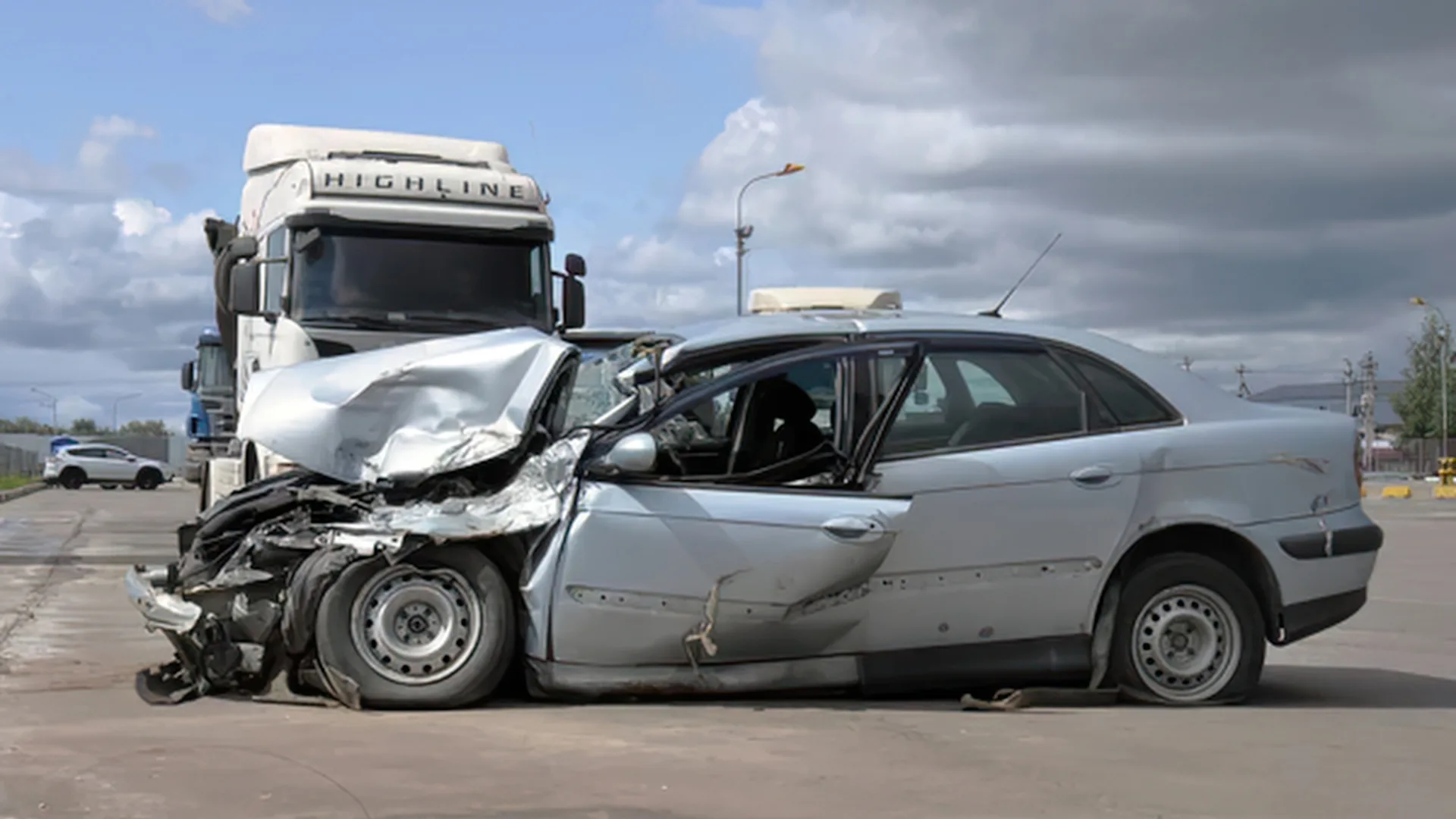
Commercial trucks typically carry higher liability insurance limits than most passenger vehicles, often reflecting the greater risks associated with large trucks. Where many drivers carry comparatively modest auto policies, trucking companies may have policies with limits that can be much higher.
These increased limits can expand the potential recovery in a truck accident case, especially when injuries and losses are substantial. At the same time, commercial insurers often mount strong defenses to reduce payouts, and claims may involve complex policy provisions and multiple layers of coverage.
Why Truck Accident Cases Often Take Longer
Truck accident cases often take longer to resolve than many car accident claims. Reasons can include:
- More extensive investigation, including downloads of electronic logging device data, review of maintenance and inspection records, and accident reconstruction
- Multiple defendants and insurers, which can slow settlement discussions and discovery
- Review of federal regulatory compliance, driver qualification files, and company safety policies
- Greater need for expert testimony in fields such as reconstruction, medicine, or vocational losses
Because of this complexity, discovery typically involves more documents and depositions than in a typical car accident case, and fully developing the evidence can take time. Although this longer process can feel frustrating, careful preparation may improve the outcome. Understanding how long a personal injury lawsuit takes can help you manage expectations.
Why Choose Abel Law Firm for Your Truck Accident Case
When you’re injured in a truck accident, you need a law firm with deep experience in these complex cases. Abel Law Firm has handled truck and commercial vehicle cases for decades and has represented many clients in serious injury claims. The firm reports that it has recovered more than $550 million in compensation across its practice areas over more than 50 years.
T. Luke Abel, managing partner at Abel Law Firm, is recognized by organizations such as Super Lawyers and the National Trial Lawyers, including a listing among trucking trial lawyers. He has also written about trucking accidents and federal motor carrier regulations, reflecting familiarity with the rules that govern commercial trucking.
One reported result highlighting the firm’s litigation experience is a $15 million jury verdict in an oil‑rig accident case, followed by an appeal to the Oklahoma Supreme Court that challenged statutory damage caps and contributed to a change in Oklahoma law. This type of case illustrates the firm’s experience in high‑value, complex litigation.
Abel Law Firm offers free consultations, is available around the clock to discuss new matters, and works on a contingency fee basis, so clients pay attorney’s fees only if the firm recovers compensation.
How Abel Law Firm Handles Truck Accident Claims
Our lawyers will investigate the accident, identify potentially liable parties, gather available evidence, and work to build a strong case on your behalf. We will negotiate with insurance companies to pursue the maximum compensation the law allows and that the evidence supports in your case. We may file a lawsuit and be prepared to present your case in court if insurers will not make a fair offer.
Understanding how truck accident settlements work and what compensation you can expect can help you make informed decisions about your case. Our Oklahoma City office is ready to help you navigate the claims process.
Call (405) 239-7046 today to schedule your free consultation. We are available 24 hours a day, 7 days a week, and we work on a contingency fee basis. This means you do not pay attorney’s fees upfront and only pay those fees if we recover compensation for you. You can also contact us online to discuss your case.